Zara Schulz · 5 October 2026
Mapping the Pathways of Influence from Initial Content Seeding to Sustained Platform Reach in Evolving Online Spaces
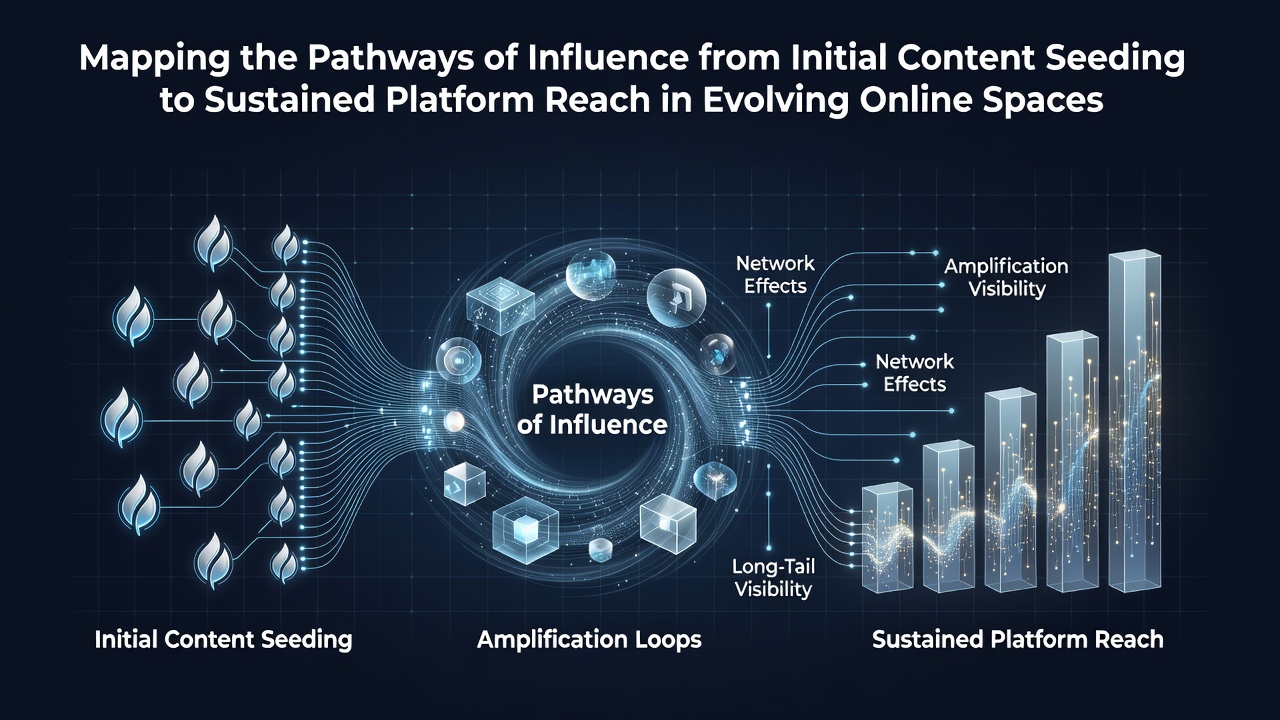
Content seeding begins when creators or organizations place initial posts, videos, or threads on platforms that already host active user networks, and those early placements set the conditions for later visibility. Researchers track these starts by monitoring share counts, comment threads, and cross-platform mentions within the first hours after upload, while data from multiple studies shows that timing, format, and seed audience composition directly shape how far a piece travels before algorithms intervene.
Initial Seeding Mechanisms Across Platforms
Platforms distribute seeded content through a combination of follower graphs, interest clusters, and real-time signals such as dwell time or reply velocity, and observers note that posts placed inside existing conversation threads often accumulate faster initial reactions than standalone uploads. In October 2026, platform updates introduced new visibility rules that prioritize verified community accounts, which means seeding strategies now frequently target those accounts first to generate the early momentum required for broader distribution.
Take one documented case where a research team at a European university recorded how a single seeded video on a short-form platform reached 12,000 views inside ninety minutes solely through replies from a cluster of mid-sized accounts, whereas identical content posted without those replies stayed below 800 views in the same window. Such patterns illustrate that the choice of seed accounts functions as a control variable rather than a random factor.
Transition from Early Signals to Algorithmic Amplification
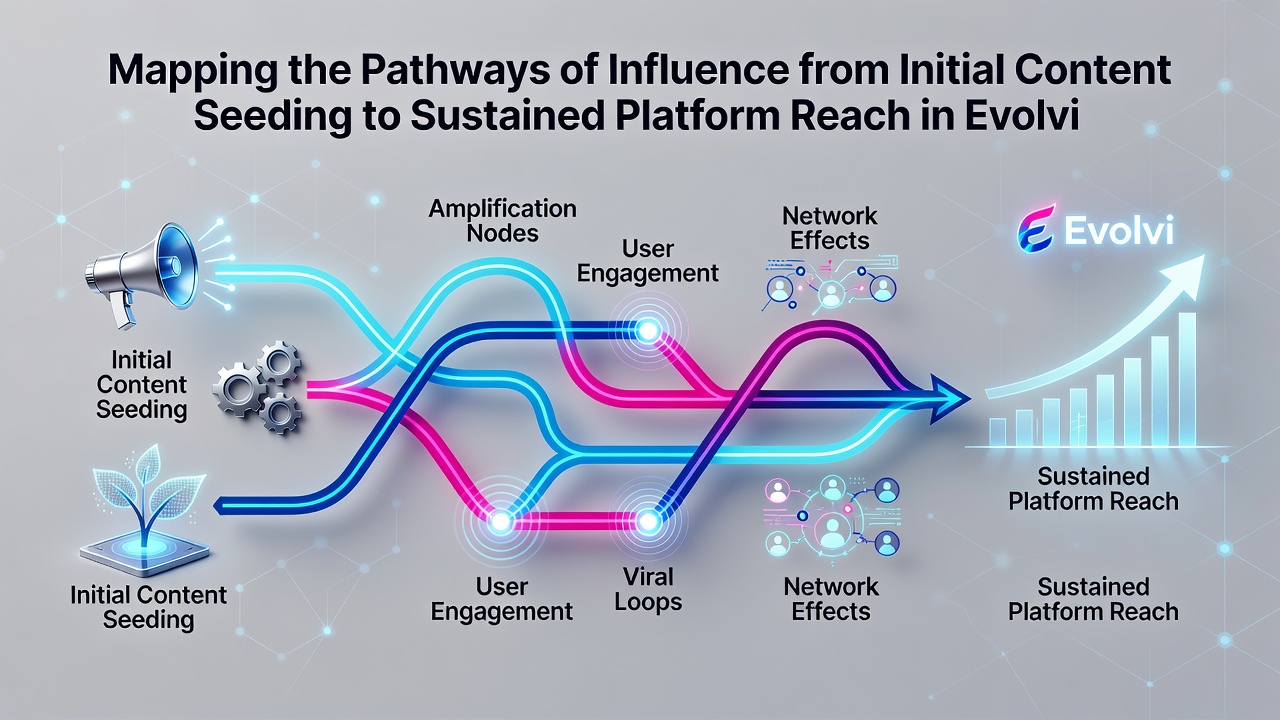
Once early engagement metrics cross platform-specific thresholds, recommendation systems begin routing the content to users outside the original seed network, and this handoff marks the shift from controlled seeding to wider algorithmic reach. Figures from industry reports indicate that the probability of this transition rises sharply when reply-to-view ratios exceed 0.8 percent within the first thirty minutes, although exact thresholds vary by platform and region.
Those who've studied longitudinal data sets observe that sustained reach depends less on the volume of initial shares and more on the diversity of accounts that continue to surface the material after the first algorithmic push. Content that retains engagement across multiple time zones, for example, maintains higher placement in recommendation queues even after the original seed audience has moved on.
Factors Supporting Sustained Visibility
Long-term platform reach emerges when content continues to generate secondary shares and references days or weeks after the initial seed, and this persistence correlates with structural features such as evergreen framing, modular formats that invite remixing, and placement inside topic-specific communities that remain active over time. According to Pew Research Center analysis of multi-year usage patterns, pieces that incorporate user-generated updates rather than fixed messages maintain higher reappearance rates in feeds.
Platform policy changes in late 2026 further emphasized creator continuity signals, meaning accounts that post follow-up material tied to earlier seeds receive preferential distribution compared with one-off uploads. Observers note that this rule rewards seeding strategies built around narrative arcs rather than isolated posts.
Regional and Platform Variations in Reach Dynamics
Reach pathways differ across geographic markets because regulatory environments and user demographics alter how platforms surface content, and data compiled by the European Commission shows that EU-based users encounter seeded material through stricter transparency layers than users in other regions. In contrast, platforms operating primarily in North American and Asian markets continue to rely more heavily on engagement velocity alone during the first amplification stage.
Researchers who compared identical seeded campaigns across these regions found that the same starting post achieved sustained reach in one market while fading quickly in another, largely due to differences in how local communities remix or reference the material after the algorithmic boost ends.
Conclusion
Pathways from initial seeding to sustained platform reach consist of measurable stages that include seed selection, early-signal thresholds, algorithmic handoff, and ongoing community reinforcement, and each stage responds to both platform rules and audience behavior. Tracking these stages through shared metrics and cross-regional data sets provides clearer maps of influence without relying on single-platform assumptions, while ongoing policy adjustments in 2026 continue to reshape the conditions under which seeded content either expands or recedes.